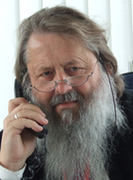
Interview with Michael Kalis, chairman of the Kühne + Nagel group works council in Germany
 Question: What were the first steps to establish an EWC?
Kalis: In 1995, we attended several workshops organized by the DGB (the German Trade Union Confederation) on
industrial relations in Europe. At the time we have been in contact with trade unions in other countries for the
first time and we wanted to conclude a voluntary agreement, as many companies have made in those days. But the
employer refused, therefore, we have filed the official request to create a special negotiating body in 1997.
Question: There was a number of court rulings, what had happened?
First we met in 1996/97 employee representatives of Kühne + Nagel in Milan, Amsterdam and Luxembourg. The
employer refused to pay the travel expenses. Then we have sent a circular in nine languages to all known works
councils abroad, the employer also refused to pay the translation costs. In both cases we were able to fight for our
costs in court.
The employer also refused to initiate the establishment of the European works council, because no one supposedly was
competent: neither the central management in Switzerland, nor any registered office within the EU. Therefore, we have
sued in Germany over several instances, until the Federal Labour Court intervened at the end and turned to the
European Court of Justice in Luxembourg. There, it was decided in 2004 that the Hamburg branch as the largest
subsidiary within the EU is responsible.
Question: So what happened then?
Kalis: On instruction from the head office by the principal shareholder, Mr. Kühne, foreign affiliates refused to
cooperate with Kühne + Nagel Germany. Therefore they had to be sued for the delivery of information. We have a
written agreement with the employer, that this should be done in three countries. As the court action was successful
in Austria 2007, the procedure shall soon take place in Sweden, we still know nothing from Slovakia. Only after the
completion of all three processes, we can invite to the constituting meeting. The EWC will work according to the
minimum requirements of the German EWC Law.
Question: What can other works councils learn from your case?
Kalis: Better to work legally thoroughly, as to give it a quick shot. It is also important to build and maintain
cross-border contacts between works councils and unions in good time. For this purpose the unions need more resources
and more staff. It is important that all EWC members are democratically legitimated. For us is clear, that further
disruptions are to be expected by the employer, therefore we need better sanctions from the legislator, at European
and national level.
Michael Kalis has been a member of the works council of the Frankfurt branch since 1977, later he took over the
chairmanship. He is vice chairman of the German central works council and was from the very beginning involved in the
disputes related to the EWC establishment at Kühne + Nagel as chairman of the German group works council. Since the
founding of the United Services Union (ver.di) in 2001 he has also been the national vice chairman of the Department
of Postal Services, Forwarding and Logistics.
Michael Kalis was interviewed by Werner Altmeyer on 31 March 2008.